 Chertsey, Surrey
 Mickle Hill, Pickering
 Cirencester, Gloucestershire
 Stapleford, Cambridgeshire
 Corsham, Wiltshire
You might already sense a quiet tension building, the kind that rises when you want your parent to stay independent but can see parts of life becoming harder than they admit. Most families reach this point gradually. For years, even mentioning retirement living carried a sense of judgement, as if it meant something had slipped or that life was narrowing. That old meaning no longer fits the world we live in today. Retirement living has evolved, and the way we speak about it needs to evolve as well. This is not a crisis decision. It is a quality of life decision. It is about choosing comfort, ease and enjoyment rather than accepting quiet strain.
A Shift Many Families Have Not Yet Seen
Older views of retirement living were shaped by images of frailty and necessity. People moved only when they had no alternative. Yet modern retirement communities are created for people who are still active, social and engaged. They are built for those who want less stress and more freedom, for those who prefer time spent doing what they love instead of maintaining a home that demands more energy than it gives back. These communities did not exist when your parent was younger, so their assumptions often come from an outdated picture. What exists now is something more expansive, offering opportunities rather than restrictions.
Independence at the Centre
The fear of losing independence is one of the biggest reasons families hesitate. What often surprises people is that independence is not taken away in modern retirement living. It is supported and protected. Your parent continues living in their own home, chooses their routines and shapes each day according to what matters to them. The main change is that the quiet burdens that once drained their energy become lighter. There is no constant worry about maintenance, no growing isolation as friends move away, and no need to push through tasks that feel heavier each year. Independence becomes easier because the unnecessary pressure is removed.
Why an Upgrade Matters at This Stage
The decision to explore retirement living rarely comes from a dramatic event. More often it comes from noticing smaller shifts. The house feels quieter. Hobbies fade. Visits slowly turn into practical help rather than shared time. None of these changes signal a crisis. They simply reflect the natural transition into a different stage of life. That transition offers a chance to choose something more uplifting. Many parents respond far better to the idea of living well than the idea of being taken care of. They want comfort, connection and purpose, not supervision.
Changing the Conversation
Often it is not the idea of retirement living that feels difficult but the way the first conversation is framed. Parents can feel defensive if the focus is on what they cannot do. A gentle shift in language can change everything. Instead of pointing out challenges, you can talk about how life could feel lighter and more enjoyable. Instead of highlighting what has become difficult, you can explore what might bring more ease or fulfilment. These adjustments protect dignity and keep the conversation grounded in hope rather than worry.
What Modern Communities Really Offer
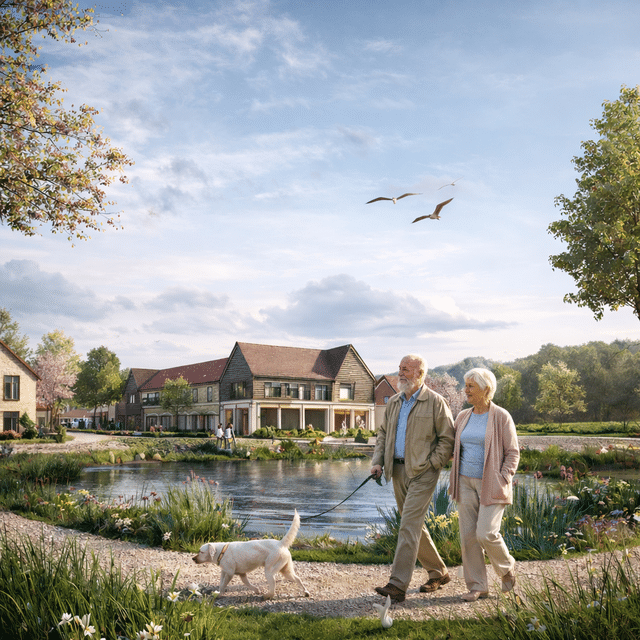
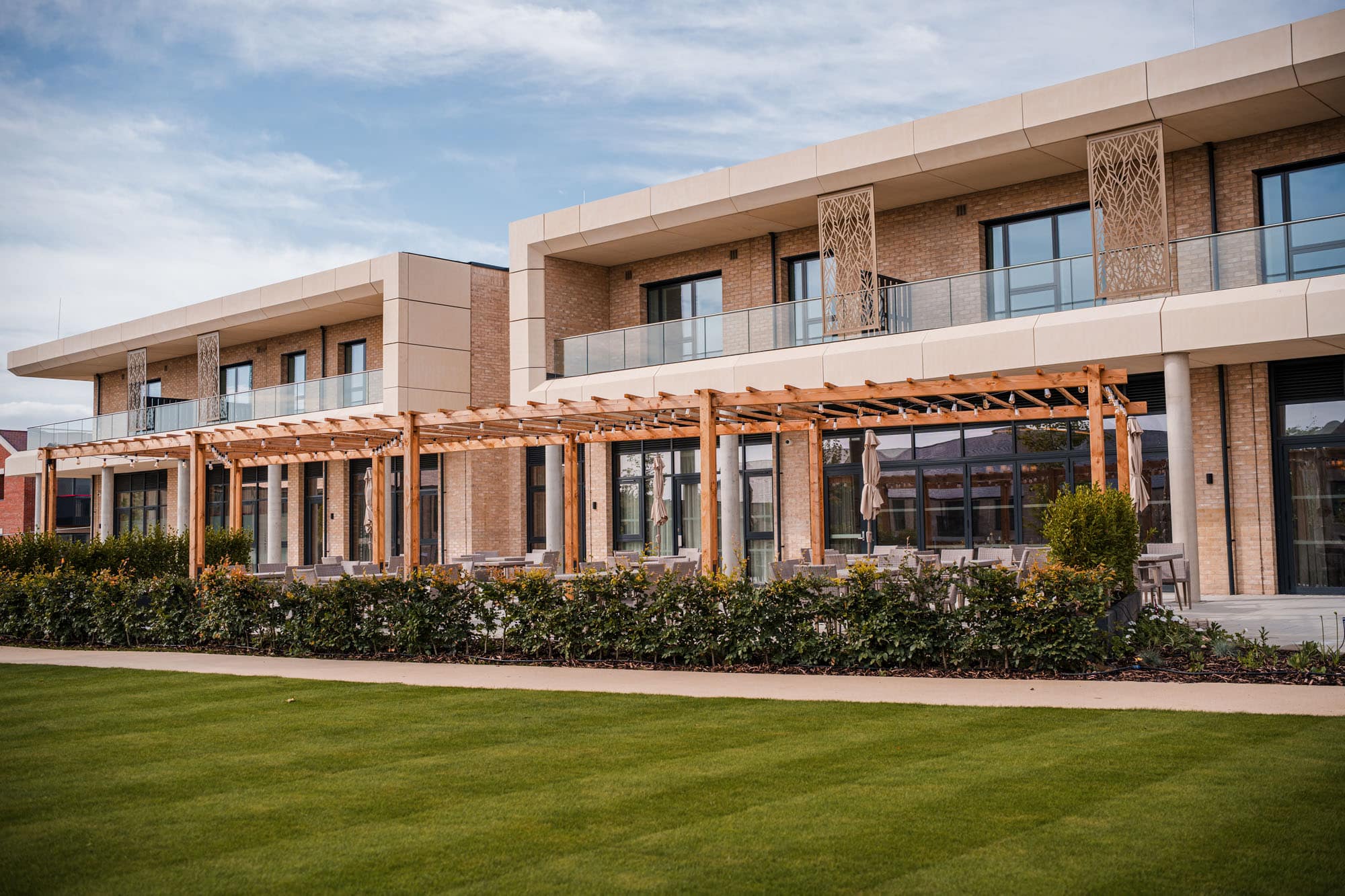
If your parent has not visited a contemporary retirement village, they may imagine something clinical or restrictive. The reality is usually a pleasant surprise. Many communities feel more like welcoming neighbourhoods with landscaped gardens, calm shared spaces, restaurants, creative studios and wellbeing facilities. Homes are designed to feel bright and modern. Support is available if ever needed, but it does not interfere with independence. People can dip into social activities when they want company and enjoy privacy when they prefer quiet. It is a setting designed for living well, not merely living safely.
The Difference an Upgrade Can Make
Families who frame the move as a lifestyle improvement often experience relief rather than fear. Adult children no longer carry the weight of constant practical support, and parents rediscover confidence, connection and energy. Relationships become lighter because visits shift from chores to meaningful time together. Many families describe a sense of getting their parent back, not losing them.
A Moment to Imagine Something Better
Picture your parent waking up somewhere peaceful and welcoming, with company available when they want it and independence whenever they choose it. Picture them reconnecting with interests or finding new ones. Picture spending time together without a list of tasks in the background. Choosing a lifestyle upgrade is not about hiding decline. It is about choosing joy, comfort and ease while those things can still be fully enjoyed.
Exploring Without Pressure
You do not need to make decisions immediately. The first step is simply staying open to what is possible. If you want to understand what a lifestyle upgrade might look like for your parent, our Rangeford advisors can walk you through the options at your own pace. Once you begin exploring, the entire conversation often becomes lighter for everyone involved.